The Wild Color: A Designer's Secret Weapon for Instant Impact
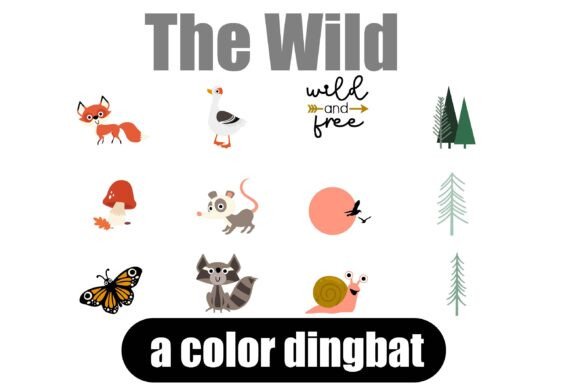
Looking for a way to elevate your projects instantly? Say hello to the The Wild Color Dingbat, featuring 26 wild animals. Dingbat fonts are a designer's secret weapon that brings flair, fun, and functionality to any creative work. Dingbats are more than just symbols — they’re ready-to-use mini graphics that can save you time, simplify your process, and make your visuals pop.
What Exactly Is The Wild Color Dingbat?
Think of The Wild Color not as a traditional typeface for setting paragraphs, but as a curated collection of 26 unique, stylized wild animal illustrations packed into a single, easy-to-use font file. Each letter of the alphabet corresponds to a different creature, rendered with bold lines, playful shapes, and a vibrant personality. This isn't your average clip art; it's a cohesive set of design assets built for cohesion and impact. The visual style leans towards a modern, graphic, and slightly whimsical aesthetic—perfect for injecting energy without overwhelming a layout. Its personality is adventurous, approachable, and unmistakably creative.
The true power of a premium font like this lies in its simplicity. You don't need complex design software or advanced skills to use it. Simply select the font in any program that supports typefaces, type a letter, and the corresponding animal appears. This makes it incredibly accessible for everyone from seasoned designers to small business owners managing their own marketing.
Where Can You Unleash The Wild Color?
The applications for this creative font are surprisingly vast. Its primary strength is in projects that demand a touch of personality and visual storytelling without the cost or time of commissioning custom illustrations.
- Branding & Identity: Use individual animals as mascots or as part of a larger brand identity system for businesses related to children's products, eco-tourism, outdoor adventures, or pet services. A single icon can become a recognizable mark on business cards, packaging, and websites.
- Editorial & Packaging Design: In editorial design, these icons can break up text-heavy pages, illustrate articles about nature, or add flair to chapter headings. For packaging design, they're ideal for creating eye-catching labels for organic goods, snacks, or artisan products, communicating a fun and natural vibe at a glance.
- Digital & Social Media: Enhance social media graphics with unique icons for posts, stories, and highlights. They're perfect for creating engaging infographics, custom bullet points in presentations, or decorative elements for blog graphics. In web design, they can serve as intuitive, friendly icons for services, categories, or calls to action.
- Personal & Craft Projects: For crafters and hobbyists, The Wild Color is a gem. Use it to create personalized stationery, party invitations, scrapbook elements, custom stickers, or embroidery patterns. The ease of use makes it perfect for DIY projects.
How Does a Font Like This Influence Your Project?
Introducing a specialized display font or icon set like The Wild Color does more than just add pictures. It actively shapes how your audience perceives and interacts with your work.
Visual Hierarchy & Engagement: These icons are excellent for guiding a viewer's eye. Use them as bullet points to make lists more scannable, as section dividers to break content, or as spot illustrations to anchor text. They immediately draw attention, boosting engagement and making information more digestible.
Brand Perception & Recognition: Consistent use of a specific animal or set of animals from the font can build powerful brand recognition. It injects a layer of personality that sans serif fonts or serif fonts alone cannot achieve. The playful yet professional style of The Wild Color suggests a brand that is creative, approachable, and detail-oriented.
Readability & Professionalism: While a script font or handwritten font might hinder body text readability, dingbats work differently. Used as complementary elements, they enhance the overall layout without competing with your primary typeface. The key is using them strategically—as accents, not replacements. This thoughtful integration signals professionalism and elevates the perceived value of your project, whether it's a client deliverable or a personal passion project.
A Practical Guide to Using The Wild Color
Ready to get started? Here’s how to integrate this commercial font effectively into your workflow.
Evaluate the Fit: Before diving in, consider your project's tone. The Wild Color's friendly, illustrative style is perfect for casual, educational, or nature-themed contexts. It might not be the right fit for ultra-corporate or minimalist luxury branding where stark modern typography is expected. Always match the tool to the task.
Test Font Pairings: The best practice is to pair these icons with clean, simple typefaces. A neutral sans serif font for body text or a sturdy serif font for headings creates a balanced contrast that lets the animal graphics shine. Avoid pairing it with other highly decorative fonts, which can create visual chaos.
Review and Plan: Familiarize yourself with all 26 animals in the set. Which ones resonate with your project's message? You might not need them all. Planning which icons to use where ensures a cohesive and intentional design, rather than a random scattering of symbols.
Consider Commercial Use: Always verify the licensing. A quality commercial font like The Wild Color typically includes a license for both personal and commercial projects, but it's your responsibility to confirm this covers your intended use—whether for a client's logo, products for sale, or digital goods. Respecting licensing protects you and supports the creators who make these design assets possible.
By treating The Wild Color as a versatile tool in your creative arsenal, you can quickly add a layer of visual interest and storytelling that resonates with your audience. It’s a straightforward way to make your projects more memorable, engaging, and uniquely yours.