Little Bunny: A Creative Font for Easter and Beyond
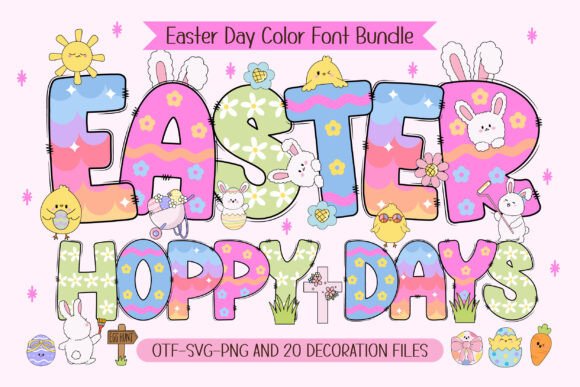
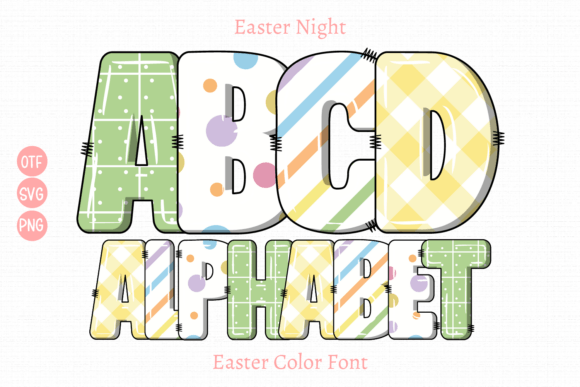
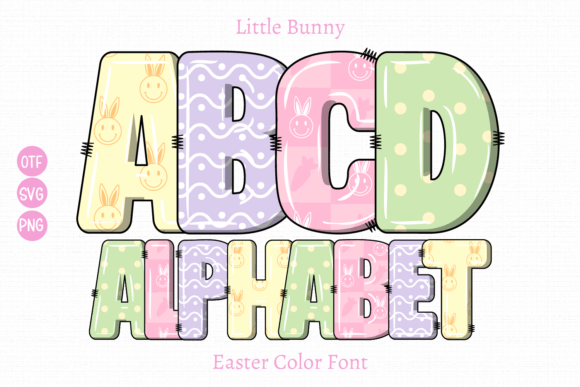
When you first encounter Little Bunny, the feeling is immediate. It’s not just a set of letters; it’s a burst of personality. This premium font isn’t about rigid geometry or sterile precision. Instead, it leans into a playful, authentic charm that feels handcrafted and warm. As a color font, it carries its own visual texture and vibrancy, making it a standout choice for projects that need to connect on a human level. It’s the kind of typeface that doesn’t just display words—it communicates a mood, one that’s approachable, creative, and full of life.
Where Playfulness Meets Professional Polish
So, where does a font like Little Bunny truly shine? Its strength lies in its versatility for projects that prioritize emotional connection over corporate formality. Think beyond the obvious seasonal Easter promotions. This is a typeface that can elevate a wide array of creative endeavors. For entrepreneurs and small business owners, it’s a secret weapon for branding that feels personal and memorable. Imagine a bakery logo, the header for a children’s clothing line, or the branding for a handmade craft shop. Little Bunny injects that necessary dose of whimsy and authenticity that helps a brand stand out in a crowded marketplace.
For marketers and content creators, it’s a game-changer for engagement. Social media graphics need to stop the scroll, and a well-placed header in Little Bunny can do exactly that. It’s perfect for Instagram stories, Pinterest pins, and Facebook ad headlines where a friendly, approachable tone is key. Bloggers and publishers will find it invaluable for creating eye-catching blog post titles, chapter headings in e-books, or section dividers in digital magazines. Its playful nature doesn’t compromise readability at these display sizes; instead, it guides the reader’s eye and sets a welcoming tone for the content that follows.
The applications extend beautifully into the physical world. Invitations for birthday parties, baby showers, or garden gatherings are transformed. Greeting cards gain a heartfelt, artisanal quality. Planners and photo albums become more personal and visually interesting. Even in packaging design, a small touch of Little Bunny on a label or box can suggest a product that is made with care and creativity. It’s a versatile design asset that bridges the gap between digital and print with consistent charm.
Integrating Little Bunny Into Your Design Toolkit
Adopting any new creative font requires a thoughtful approach. The first step is evaluating fit. Little Bunny is a display font, which means it’s engineered for impact at larger sizes. It’s your headline, your logo, your call-to-action button—not your body copy. Pairing it correctly is crucial for a professional result. A classic strategy is to contrast its playful, handwritten style with a clean, simple sans serif font for supporting text. This creates a clear visual hierarchy where Little Bunny grabs attention and the secondary font ensures effortless reading for paragraphs. For a different feel, pairing it with a traditional serif font can create an interesting tension between modern whimsy and classic elegance.
Always test your font pairings in context. Lay out a mock-up of your project. Does the combination feel balanced? Does the personality of Little Bunny enhance your message or distract from it? Its effectiveness is highly dependent on the overall design. Review the included styles and character sets. A quality premium font often comes with alternates, ligatures, and special characters that allow for customization and prevent repetitive letterforms, adding to that authentic, hand-lettered feel. Use these features to tailor the font to your specific needs.
Readability, even for a display font, is non-negotiable. Test it across different sizes and backgrounds. Ensure there is sufficient contrast, especially when using the color font version. A busy background can compete with the font’s inherent texture. Finally, understand the licensing. If you’re using Little Bunny for client work or commercial products—like merchandise, printed goods for sale, or paid digital products—you need to ensure you have the appropriate commercial license. This protects both you and the font creator, allowing you to use this beautiful asset confidently and legally across all your professional projects.
Ultimately, Little Bunny is more than just another typeface in your library. It’s a tool for storytelling. It helps brands feel more human, designs feel more engaging, and projects feel more special. By understanding its strengths and applying it with intention, you can leverage its unique charm to create work that resonates deeply with your audience, one playful letter at a time.