Chocolate Red Berry: A Sweet Treat for Your Design Toolkit
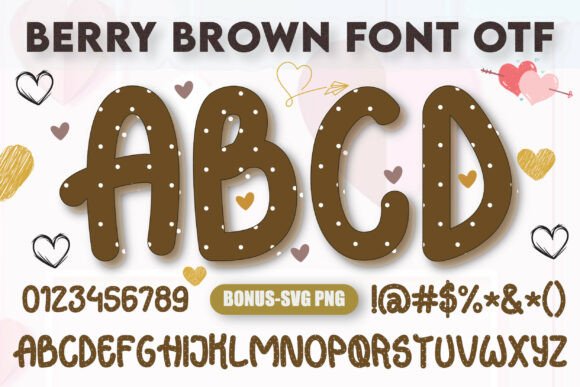
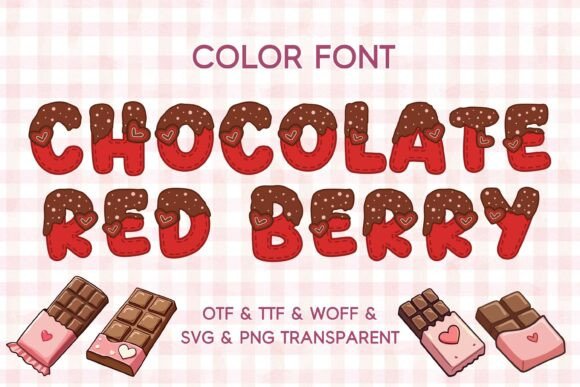
Let’s be honest, most fonts live in the background. They do their job, communicate a message, and step aside. But then there are typefaces that demand to be the star of the show. Chocolate Red Berry is one of those. It’s not just a collection of letters; it’s a full-blown sensory experience rendered in digital form. Imagine chunky, rounded characters that look like they’ve been sculpted from red velvet cookie dough, dipped in rich dark chocolate, and finished with a generous sprinkle of white sugary topping. Every letterform in this premium font is a piece of edible-looking art, complete with intricate heart-shaped details and a convincingly realistic “icing” texture.
This isn't your typical serif font or clean sans serif font. The Chocolate Red Berry typeface falls into the category of a highly decorative display font. Its personality is inherently warm, celebratory, and playful. It evokes the cozy charm of a bakery window, the excitement of a holiday gift box, and the pure joy of indulgence. For anyone working in creative fields—from logo design to social media graphics—understanding a font’s core personality is the first step to using it effectively. This one screams celebration and sweetness.
Where This Font Truly Shines: Practical Applications
Given its incredibly detailed and textured appearance, Chocolate Red Berry is the kind of creative font that serves as the primary visual element. You wouldn’t use it for body text in a novel; its strength is in headlines, logos, and short, impactful phrases where its delightful details can be fully appreciated. Its best applications are specific and powerful.
Think seasonal marketing. For Valentine’s Day, it’s a no-brainer for card fronts, promotional banners, and email headers. The integrated heart details make it feel purpose-built for the holiday. For Christmas and holiday campaigns, it transforms into a festive treat, perfect for gift tag designs, bakery flyers, or the logo for a specialty chocolate shop. Its visual style aligns perfectly with packaging design for gourmet sweets, holiday cookies, or artisan confections. The texture alone communicates quality and handmade care.
Beyond the holidays, this typeface is a powerhouse for brand identity in specific niches. A cupcake shop, a dessert blog, or a gourmet hot cocoa brand could build an entire visual language around the warmth and whimsy of Chocolate Red Berry. In editorial design, it could headline a food magazine spread or a festive cookbook chapter. For web design, it could create an unforgettable hero banner for a seasonal sale on a confectionery e-commerce site. Digital creators and crafters will find it invaluable for making cute stickers, planner inserts, or printable party invitations that feel instantly special.
Using Chocolate Red Berry Effectively: A Designer’s Perspective
Working with a font this visually rich requires a bit of strategy. Its strength is also its limitation—its complexity means legibility at small sizes or in long paragraphs can suffer. The key is to let it breathe. Pair it with a simple, clean script font or a neutral sans serif font for supporting text. For example, use Chocolate Red Berry for your main headline (“Delicious Holiday Sale”) and a font like Lato or Open Sans for the date and location details. This contrast creates a clear visual hierarchy, guiding the viewer’s eye exactly where you want it to go.
When evaluating if this display font fits your project, consider the tone. Is your brand or message playful, indulgent, and celebratory? If yes, it’s a strong contender. If your project demands austerity, minimalism, or serious professionalism, you’ll want to look elsewhere. Always test the font in your specific design context. See how the letters sit next to your other design assets, check the spacing, and ensure the decorative elements don’t clash with your background imagery.
One crucial note: Chocolate Red Berry is a color font. This means its rich textures and colors are embedded directly into the font file. For full effect, you’ll need to use it in applications that support color font technology (like recent versions of Adobe Illustrator, Photoshop, or certain web browsers). Always check the included character styles and commercial licensing. A good commercial font will provide clear terms for use in logos, merchandise, and digital products, protecting both you and the font creator.
In the end, Chocolate Red Berry is more than a design asset; it’s a mood-setter. It doesn’t just spell out words—it decorates them, bakes them, and wraps them in a visual layer of sugary charm. When used thoughtfully, it can elevate a simple design into something memorable, engaging, and full of personality. It’s the perfect “dessert” topping for your creative projects, guaranteed to make your audience smile.